
Facebook views
May 19-Aug 19
A2A / DISCOVERY ENGINE / 4–6 WEEKS
The recordings, the letters, the photographs, the film, the founder’s papers, the boxes nobody has opened in years. Material with real weight—cultural, historical, commercial—and no modern way for anyone to find it, understand it, or care about it.
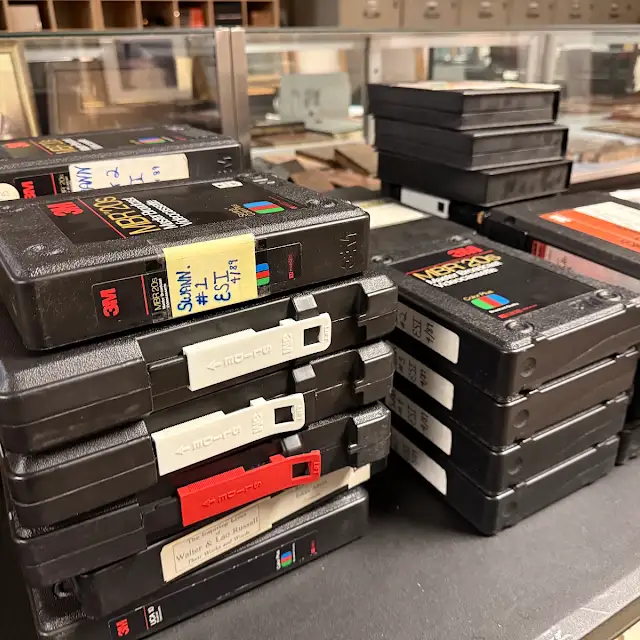
It’s been preserved. Maybe digitized. Maybe even organized.
And it’s stillgoing quiet.
Preservation keeps an archive safe. Cataloging makes it easier to find. Neither one gives it a public life. That’s the layer that’s almost always missing—and it’s the only layer we do.
May 19-Aug 19
Jul 23-Aug 19
May 19-Aug 19
We’re not archivists, and we don’t replace yours. We work alongside the people who know the material—the archivist, the historian, the family, the steward.
Our work is the other side: reading the material for what it could become, and building the release system and pathway that brings it back into public meaning.
Most archives fail in public not because the material is weak, but because it was packaged before it was understood. Something gets digitized, posted, produced—and it lands as content about old things instead of an encounter with something real.
So before anything gets made, the material gets read. Four disciplines.
01 / Interpret
Every significant piece gets read through three questions.
Setting
Central object
Felt experience
Where does it place someone?
A lecture recording puts the listener in the audience. A private letter puts the reader across the desk. The setting is already in the material—the work is recognizing it, not imposing one.
What is the central object?
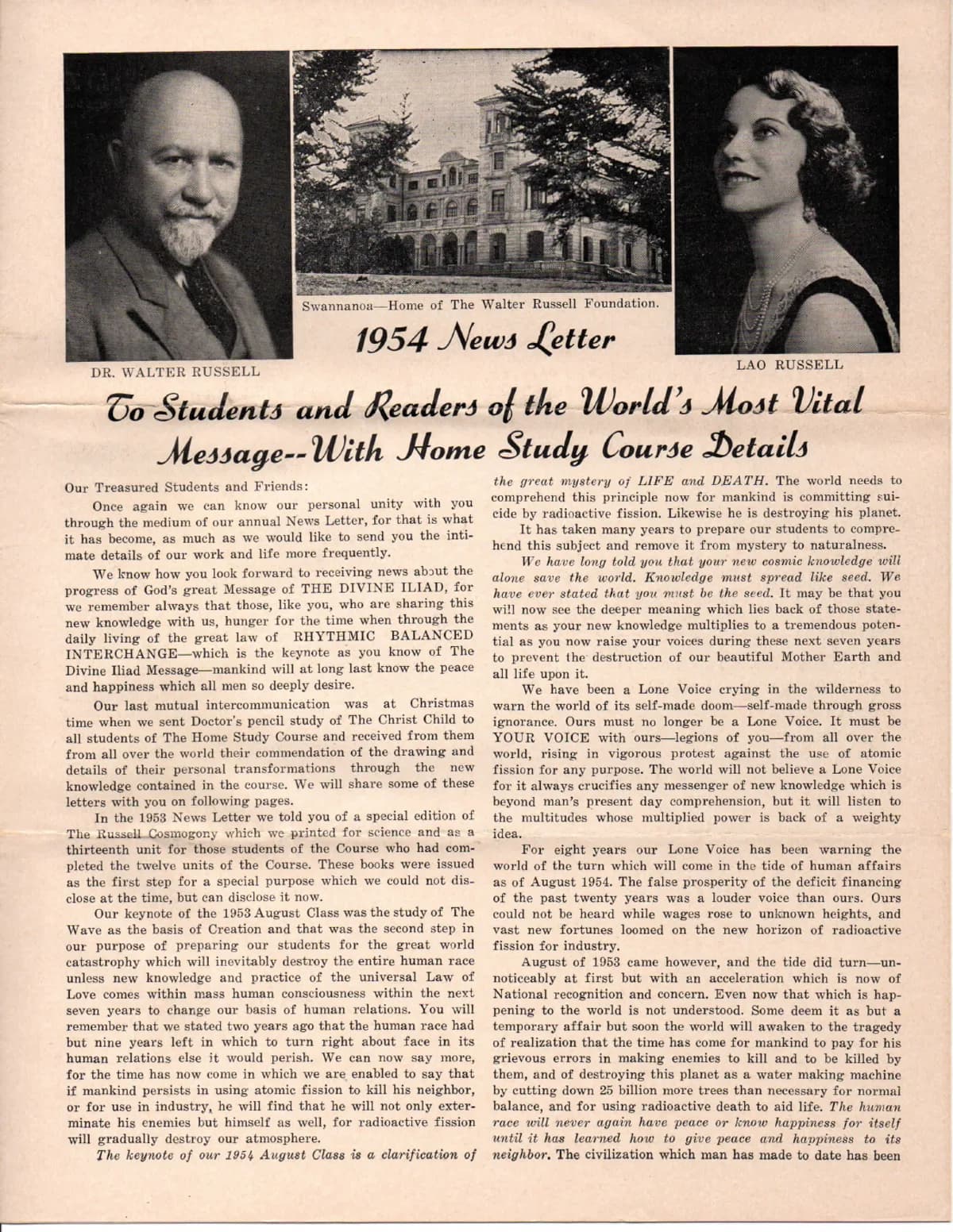
Every strong release is carried by one real thing—a voice, a page, a photograph. If the object isn’t clear, no amount of production rescues the piece.
What should someone come away feeling?
Not what they should learn—what they should feel about the material’s reality and weight. Information doesn’t move an audience toward an archive. The sense of having encountered something genuine does.
02 / Assign
Not all material has the same job, and it should never be judged by the same numbers.
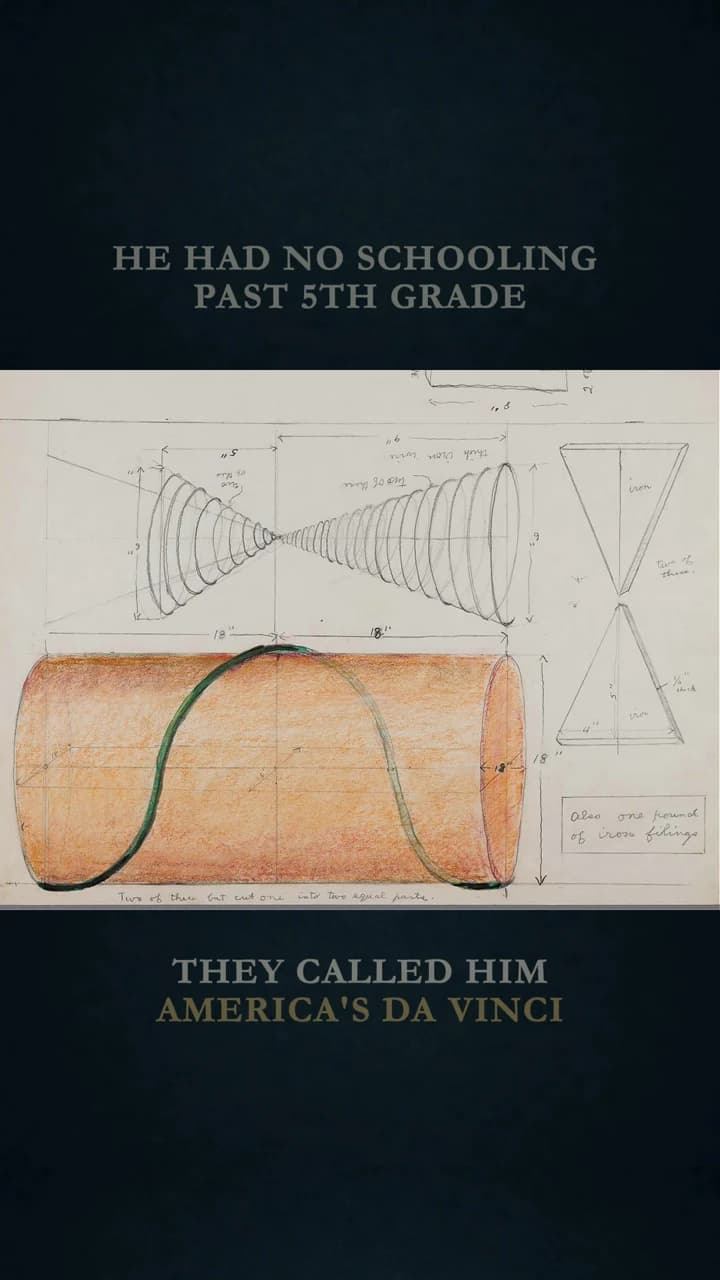
Doorway · 9:16
00:36
Doorways exist to be found—short pieces, striking single artifacts, moments that create curiosity in seconds. Their measure is reach.
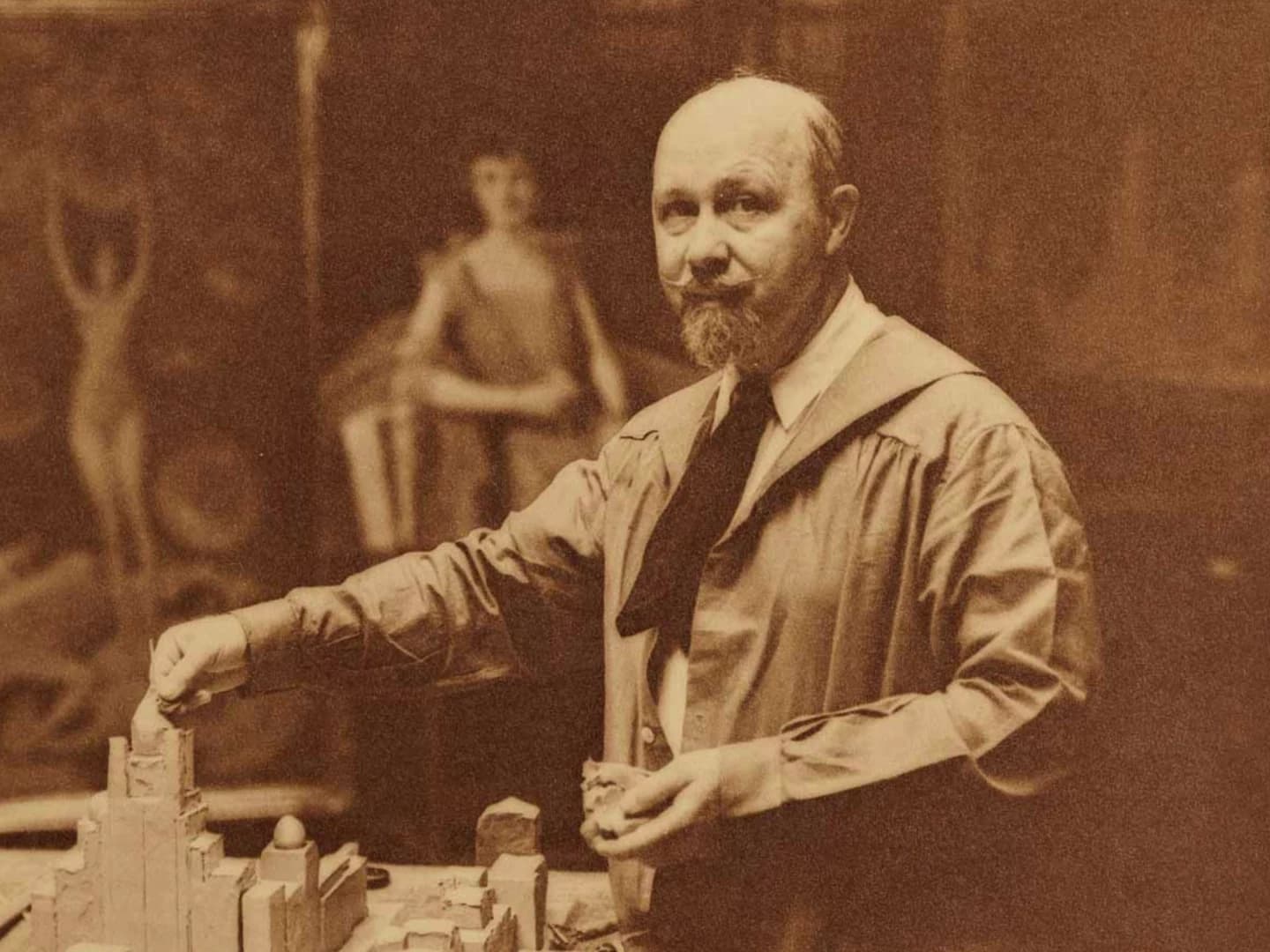
Rooms exist to be entered—longer, denser releases for people who came through a doorway and want more. Their measure is depth.
A strategy that only builds doorways creates attention that goes nowhere. One that only builds rooms is invisible.
03 / Verify
Production can create context and mood. It can never substitute for the archive itself.
The standard is simple: the real material does the persuading. Audiences are saturated with content about things. What they trust is contact with things.
That trust is the entire value of an archive. It’s protected by discipline: every claim tied to a real source, every mood in service of the material—never in place of it.
04 / Sequence
A test for any release before it ships: how quickly does someone encounter something genuinely real?
If the first twenty seconds are all framing, the piece is wrapped in itself. The packaging exists to help the real thing carry weight—not to precede it.
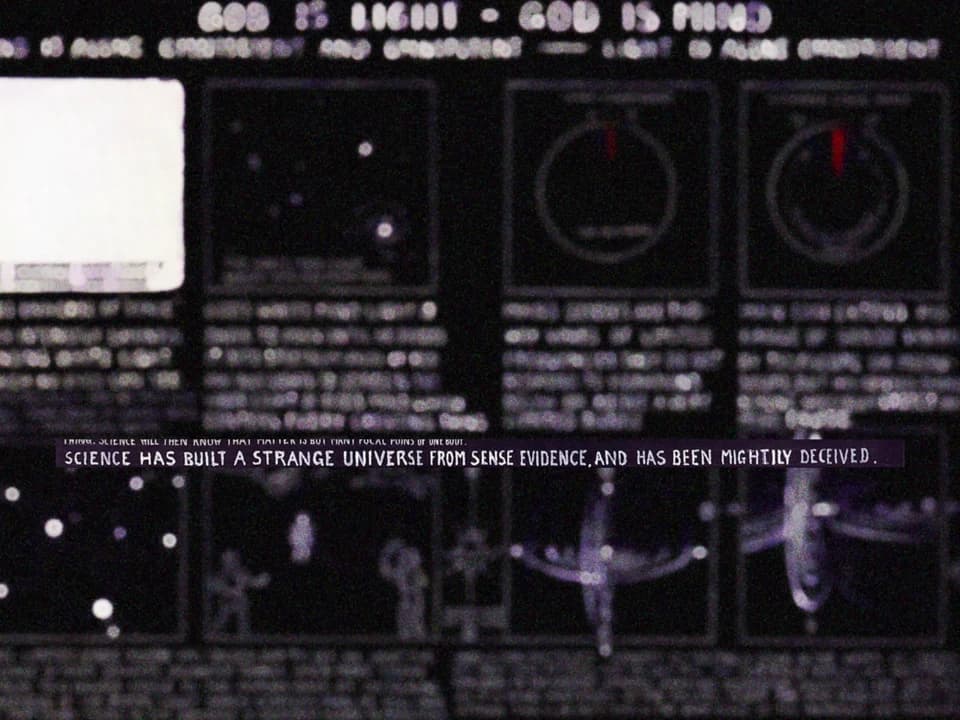
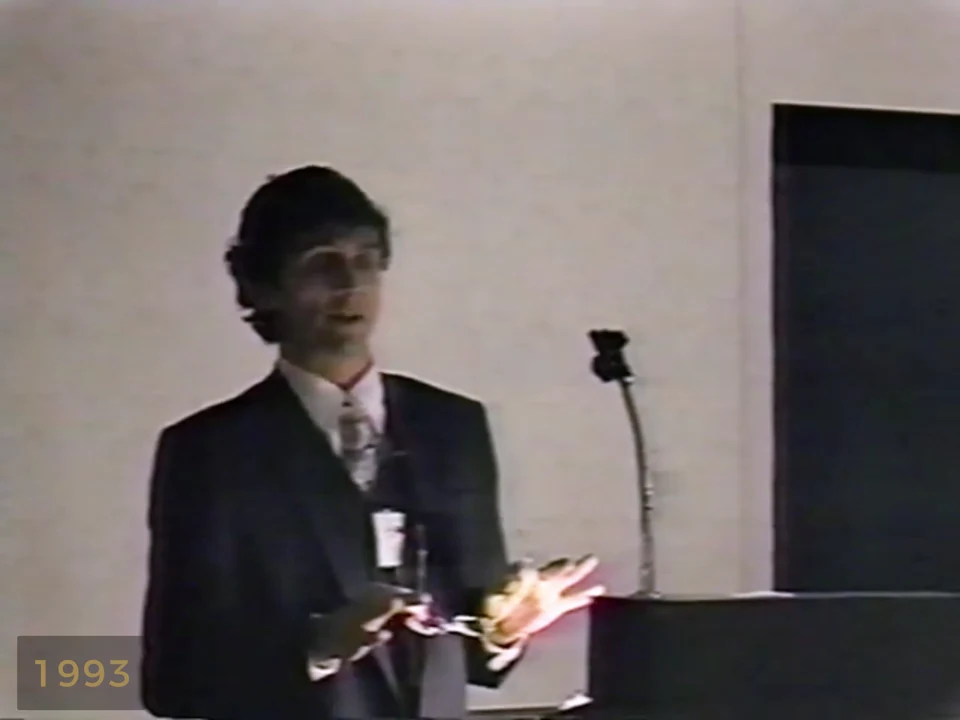
Archival voice begins at 0:00 · production stays in service of it
One engagement. A structured read of your collection, wherever the material lives, and a clear map of what it could become.
Opportunity read / 01
The map begins with the material itself: what carries weight, what repeats, and what deserves a public life.
Which artifacts carry the archive’s strongest evidence?
Which stories and themes are already present?
Where does the material create genuine public curiosity?
Pathway recommendation / 02
The recommendation converts the read into a release order, without separating the public form from its source.
Doorway candidatesWhat should create the first encounter?
Room candidatesWhat can sustain deeper engagement?
Release firstWhat should move now, and in what form?
Provenance Attached
Confidence Marked
Next step Build plan
The read
Together we select a structured sample of the collection, sized to the material—typically 100–200 photographs and documents, or 8–15 hours of recorded material, or a blend. Each piece gets read the way we’ve just described.
We work alongside the people who know the material—your archivist, historian, family, or steward. They hold custody and provenance. We hold the other side: public form, release, audience.
What comes out of it
The Archive Opportunity Map. What has public potential and why. Which material is a doorway, which is a room, and what should be released first.
Story and theme clusters. The narratives already present in the material—surfaced, not invented.
A source inventory sample with provenance and confidence notes. What’s usable now, what has open rights questions, what needs your experts’ attention.
Artifact-to-release concepts. Specific material mapped to specific forms.
An audience pathway recommendation. Where discovery, trust, and deeper engagement should live.
The build plan. What to make next, in what order, and what it takes.
The findings are delivered in a working session, not an inbox. We walk the map together.
Terms
Four to six weeks. $20,000–$25,000, fixed, scoped to the reading load of the material. Travel and access costs at cost.
For archives where the read reveals real potential, we stay on as the release partner—producing the series, the episodes, the discovery assets, and the pathway, season over season. That ongoing engagement is the work behind The Lost Archives. It’s scoped per archive, and it begins with the map.
If you’re the custodian of a collection that deserves a public life, tell us what you’re holding. Four questions. It’s the beginning of the read.